
Pre-departure training in Kenya: what a Gulf partner should ask for
Training is not a certificate that makes an inexperienced candidate ready. It is the bridge between a checked skill and a workplace the candidate has never seen.
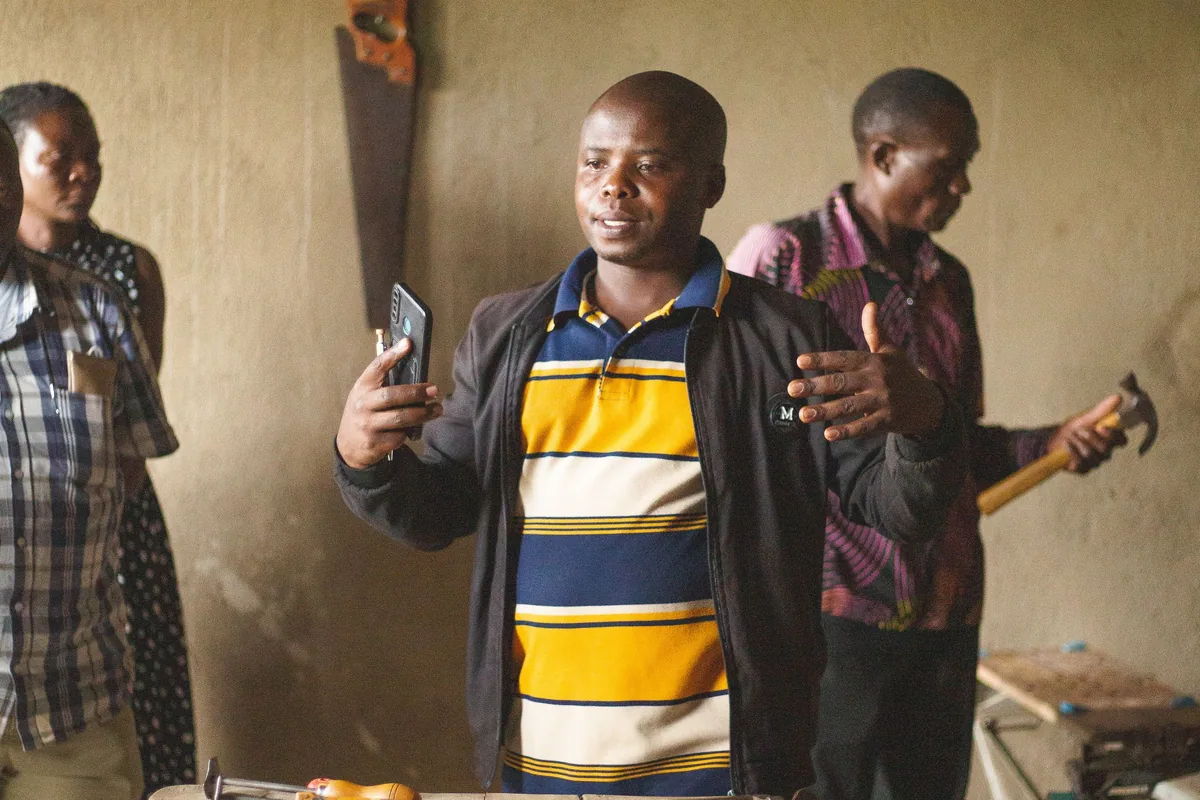
Pre-departure training is the part of the file that is easiest to describe and hardest to verify. A brochure can promise a programme. A candidate can arrive with a certificate. Neither tells you whether the person can follow a household routine, understand a safety instruction or explain the contract they signed.
This guide describes what pre-departure training in Kenya should cover, how it differs from a trade test, and the records a Gulf partner should ask for before a batch travels.
What training is for
Training is the bridge between a checked skill and a workplace the candidate has never seen. A cook may know how to cook. Training is where the cook learns the equipment in the destination kitchen, the family's dietary rules and the way instructions will be given. A housekeeper may know how to clean. Training is where she learns the products, the sequence and the reporting expectations of a hotel floor or a private home.
The bridge is not a guarantee. It reduces the number of first-week surprises. It does not turn a candidate with no experience into an experienced one.
What the sessions should cover
The contract and the destination
The candidate should be able to explain the role, the hours, the accommodation, the wage route and the name of the contracting party in their own words. If the candidate cannot explain the contract, the contract has not been communicated, even if it has been signed.
Workplace conduct
Instructions, boundaries, confidentiality in a household, phone use, dress, punctuality and what to do when a task is unclear. A candidate who has never worked in a formal household needs to hear these rules before arrival, not from a frustrated supervisor in week one.
Language
Spoken English for the tasks in the role, and basic Arabic where the destination workplace uses it. The starting level should be recorded. A training record that says "Arabic" without a level is not useful to the receiving team.
Safety and health
Food handling, cleaning chemicals, child supervision, elderly mobility, and what to do in an emergency. The content changes with the category. A cook and a caregiver should not sit through the same generic session.
Money and documents
How pay is received, where the passport is kept, what to do if a document is withheld, and who to call at the desk. This is the module candidates remember most, because it answers the questions they are afraid to ask.
Training is not a trade test
A NITA trade test is an assessment. Training is preparation. They can sit next to each other in the file, but they answer different questions. The test says whether a skill meets a standard on the day. The training record says what the candidate was taught about the workplace.
For a skilled trade, the test is usually the more important document. For a domestic role, the training record and the references carry more weight. Neither replaces the interview.
What training is not
- It is not a government endorsement. We do not call our programme NEA-approved, and you should ask any agency that does to show the written approval.
- It is not an academy. The record names the topics, the dates and the attendance, and you can ask to see them.
- It is not a substitute for experience. A candidate who has never cared for a child does not become a nanny after a short course.
- It is not a guarantee of performance. It is a record that preparation happened.
The records to ask for
- The dates and the total hours of the sessions.
- The topics covered, by module.
- The attendance record for each candidate.
- The trainer's note, including any area that needs a refresher.
- The language level at the start and the end, where language is part of the role.
- The practical task, if the role has one.
A single certificate with no topics and no attendance is not a training record. It is a receipt.
Questions for a Kenyan provider
- Which modules are role-specific, and which are shared across every candidate?
- Who delivers the sessions, and what have they done in the role they are teaching?
- How is attendance recorded?
- How is the language level assessed?
- What happens if a candidate misses a session?
- Which parts of the programme are standard, and which depend on the market or the role?
The answers tell you whether the programme is built for your role or assembled for a brochure. Ask for the module list in writing.
How training fits the batch
Training sits after the first screening and before the ticket. It should not be used to fill a gap that the interview should have caught. If a candidate cannot follow a simple instruction in the interview, a two-week course is not the fix.
Our trade testing and pre-departure training page describes the sessions and the records. For a domestic role, read the housekeepers and cleaners category; for a care role, read elderly caregivers.
What the partner should tell the trainer
Send the job description, the language the workplace uses, the equipment the candidate will handle and the three tasks that matter most in the first week. A trainer who knows those three tasks can build a session around them. A trainer who receives only a job title will teach the average.



Have an open demand letter?
Send the roles, the quantity and the destination. The desk replies with the document list for your market.